Selling a House in Philadelphia: Your Complete Guide to Success
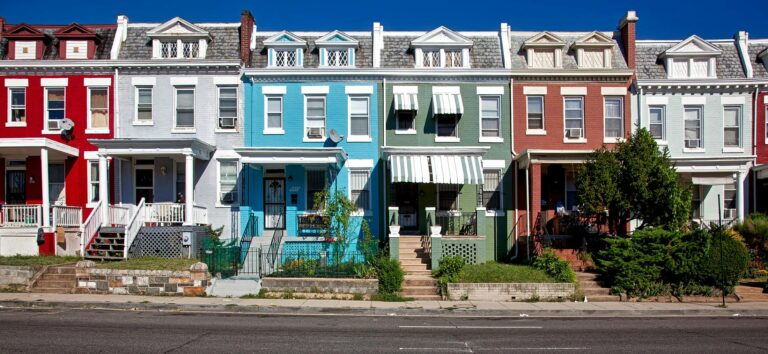
Philadelphia is no ordinary city to sell a house. With its rich history and iconic rowhomes, it’s a real estate market unlike any other. Homes here aren’t cookie-cutter suburban builds—they’re layered with stories, quirks, and yes, sometimes challenges. Selling in Philly means navigating 100-year-old townhouses, local regulations, and a fiercely competitive buyer pool. It’s not just about putting up a “For Sale” sign—it’s about knowing how to position your home in a market where old-world charm meets modern expectations.
Here’s a surprising stat: the median listing price in Philadelphia is around $250,000—far lower than cities like New York or Washington, D.C. Yet, selling here can feel just as complex, thanks to unique factors like property age, zoning rules, and neighborhood dynamics. That’s why understanding Philly’s market nuances is key.
In this article, we’ll cut through the noise and give you practical strategies to sell your Philadelphia home effectively, whether it’s a vintage rowhouse in Fishtown or a sprawling single-family home in Chestnut Hill. Ready to make your move? Let’s dive in.
Understanding the Philadelphia Real Estate Market
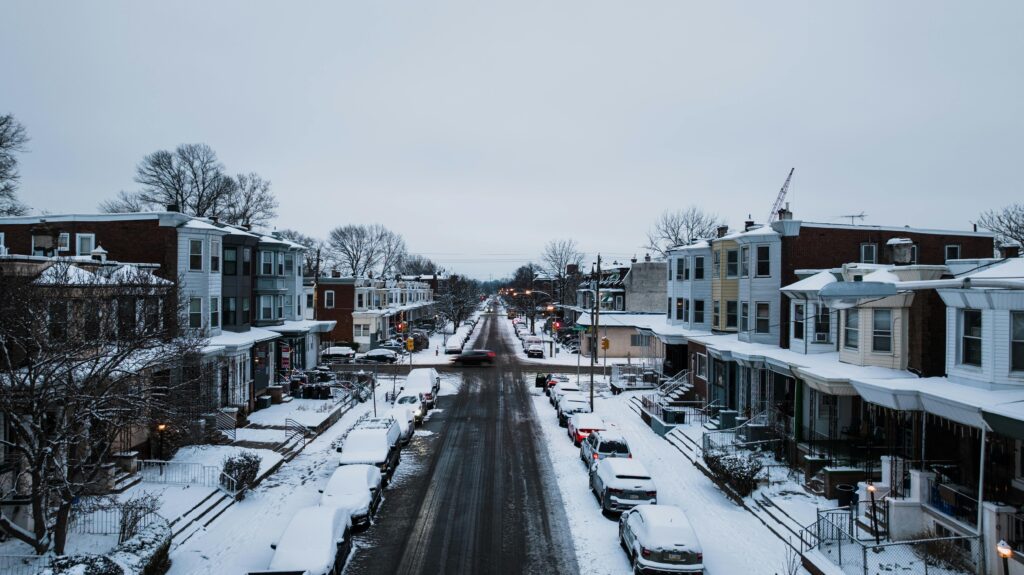
Philadelphia’s real estate market is diverse and ever-changing. From the charming cobblestone streets of Society Hill to the up-and-coming neighborhoods of Point Breeze, each area has its own unique appeal. This diversity can work to your advantage, but it also means you need to understand your neighborhood’s dynamics.
For instance, properties in neighborhoods like Rittenhouse Square or Old City often attract luxury buyers looking for a mix of modern amenities and historic charm. Meanwhile, areas like Kensington or South Philly may appeal to first-time homebuyers or investors seeking affordable options with growth potential.
Pro Tip: Research recent sales in your neighborhood to set realistic expectations. Platforms like Zillow or Redfin can give you a ballpark figure, but working with a local real estate agent ensures you’ll get accurate, up-to-date insights specific to your area.
Preparing Your Philadelphia Home for Sale
Selling a home in Philadelphia often means addressing age-related issues. Many homes in the city are over 50 years old, and buyers will want to know about updates and potential repairs.
- Tackle the Basics: Make sure your home’s electrical, plumbing, and HVAC systems are in good shape. Older homes often have outdated systems that can be a dealbreaker for buyers. Investing in small upgrades can pay off big.
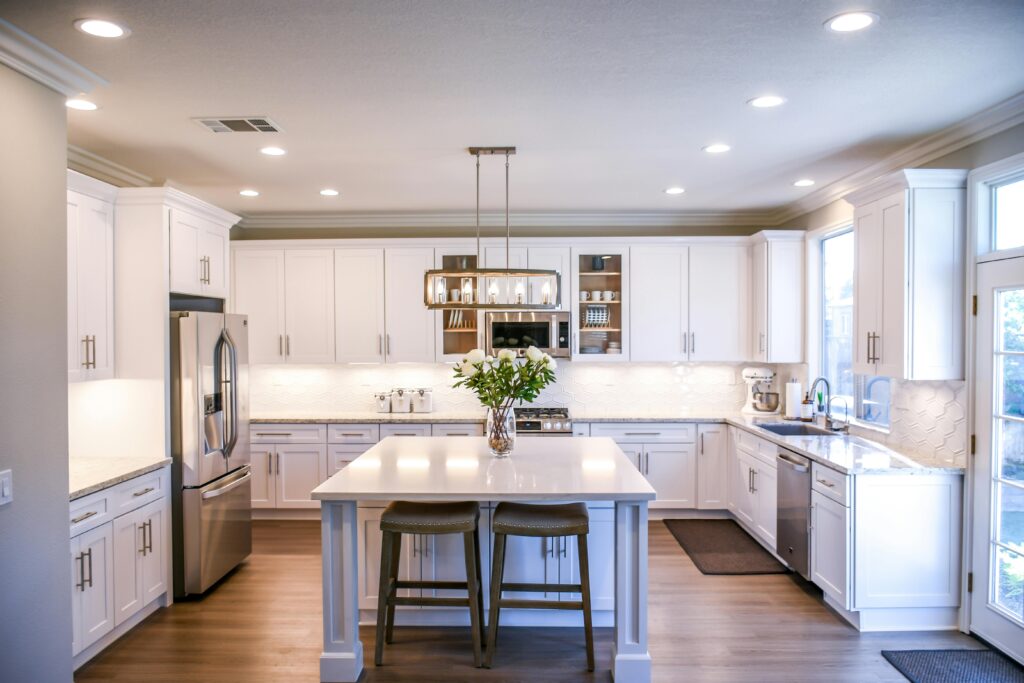
- Embrace Your Home’s Character: Philly buyers love a home with personality. Highlight original details like crown molding, exposed brick, or hardwood floors—but balance charm with modern touches, such as updated kitchens or bathrooms.
- Declutter and Stage: Philadelphia homes tend to be compact, especially rowhouses. Make your space feel open and inviting by decluttering, repainting in neutral colors, and staging to maximize appeal. Professional staging can make a huge difference in how buyers perceive your home.
Pro Tip: A pre-sale home inspection can save you time and headaches. It gives you a clear picture of what repairs may be needed and helps avoid surprises during the buyer’s inspection.
Navigating Philadelphia’s Unique Regulations
Selling a home in Philadelphia comes with its own set of rules and requirements. These local nuances can trip up even seasoned sellers if they’re not prepared.
- Licenses and Inspections: If your home has had unpermitted work done in the past, you’ll need to address it before listing. Philadelphia has strict requirements for electrical, plumbing, and structural permits.
- Use and Occupancy Certificate (U&O): This is mandatory for sellers in Philadelphia. It certifies that the property meets local building codes. If you’re selling a multi-family property, additional inspections may be required.
- City Transfer Tax: Philadelphia’s transfer tax is 3.278%, significantly higher than the national average. Sellers and buyers usually split this cost, but it’s worth accounting for in your closing costs.
Pro Tip: Work with a knowledgeable real estate agent who’s familiar with Philadelphia’s regulations. They’ll help you avoid common pitfalls and ensure a smoother transaction.
Pricing Your Home Strategically
Setting the right price is critical. Price too high, and your home could sit on the market for months. Price too low, and you leave money on the table. In Philadelphia, pricing is a delicate balance that depends on your neighborhood, the condition of your home, and current market trends.
Here’s How to Get It Right:
- Comparative Market Analysis (CMA): A CMA provided by your agent will compare your home to recently sold properties in your area. This is essential for determining a competitive price.
- Account for Repairs: If your home needs significant updates, factor that into your price. Philly buyers are often willing to take on minor renovations but expect a discount if major repairs are needed.
- Highlight Value-Added Features: Does your home have a finished basement, outdoor space, or off-street parking? These features are highly sought after in Philadelphia and can justify a higher asking price.
Pro Tip: Avoid “chasing the market” by starting with a high price and lowering it over time. Homes that sit on the market too long can develop a “stale” reputation, making buyers skeptical.
Marketing Your Home Effectively
In a competitive market like Philadelphia, effective marketing is non-negotiable. Simply listing your home online isn’t enough to attract the right buyers.
- Professional Photography: High-quality photos are essential to showcase your home’s best features. Consider drone photography if you have a large property or unique location.
- Leverage Social Media: Platforms like Instagram and Facebook are powerful tools for reaching potential buyers, especially millennials entering the market. Create engaging posts that highlight your home’s unique features.
- Host Open Houses: Open houses are a Philly tradition! They’re an excellent way to generate buzz and bring in serious buyers. Make sure your home is spotless and staged for maximum impact.
Pro Tip: Partner with an agent who knows how to market your home to Philadelphia’s diverse buyer pool. From young professionals to downsizing retirees, each demographic has different priorities.
Closing the Deal in Philadelphia
Once you’ve accepted an offer, the hard work isn’t over yet. Closing in Philadelphia involves a series of steps that require attention to detail.
- Home Appraisal: The buyer’s lender will require an appraisal to ensure the home’s value matches the purchase price. Be prepared to negotiate if the appraisal comes in low.
- Negotiating Repairs: If the buyer’s inspection turns up issues, you may need to renegotiate or offer credits for repairs. Having your own pre-sale inspection can give you leverage in these discussions.
- Title Search and Transfer: Ensure your title is clear of any liens or disputes. A title company or attorney will handle this process for you.
Pro Tip: Stay flexible during negotiations. Philly buyers are savvy and may push for concessions, but a little compromise can go a long way toward sealing the deal.
The Bottom Line
Selling a home in Philadelphia is a unique experience that requires a blend of strategy, preparation, and local knowledge. From understanding the city’s diverse neighborhoods to navigating its specific regulations, there’s a lot to consider. But with the right approach, you can maximize your home’s value and close the deal with confidence.
Remember, every home tells a story, and in Philadelphia, those stories are part of what makes the city so special. Make sure yours is told in the best possible light—and you’ll find the right buyer in no time.